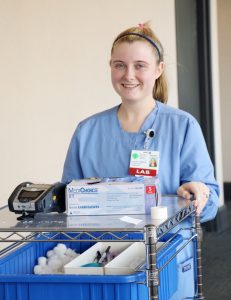
Essential Medical Assistant requirements: Your Guide to a Successful Career in Healthcare
The healthcare industry is continuously growing, and medical assistants play an essential role in ensuring that healthcare operations run smoothly. If you’re considering a career as a medical assistant, understanding the requirements is crucial to your success.In this extensive guide, we will cover essential medical assistant requirements, the skills needed, educational pathways, benefits of the career, and practical tips to help you thrive in this dynamic field.
Educational Requirements
to become a successful medical assistant, it is vital to meet specific educational requirements. Here are the primary pathways you can pursue:
- High School Diploma or GED: The minimum requirement for aspiring medical assistants.
- Postsecondary Certification or Diploma: Many employers prefer candidates who have completed a formal training program in medical assisting.
- Associate Degree: Even though not mandatory, obtaining an associate degree from a recognized institution can enhance your job prospects and earning potential.
Accreditation Matters
When selecting a medical assisting program, ensure it is indeed accredited by a recognized body, such as the Commission on Accreditation of Allied Health Education Programs (CAAHEP), to guarantee that you’re receiving quality education that meets industry standards.
Essential Skills for Medical Assistants
in addition to formal education, medical assistants must possess a range of skills to excel in their job. Below are some essential skills every medical assistant should develop:
- Clinical Skills: Taking vital signs, preparing patients for examinations, and assisting healthcare providers during procedures are fundamental clinical tasks.
- Administrative Skills: Proficiency in scheduling appointments,managing medical records,and handling billing and coding is essential.
- Communication Skills: Excellent verbal and written communication skills are crucial for interacting with patients and healthcare professionals.
- attention to Detail: Accuracy in tasks like medication administration and patient record keeping is vital in the healthcare environment.
- Time Management: The ability to multitask effectively is necessary in fast-paced medical settings.
Certification and Licensing Requirements
While certification is not strictly required, obtaining a credential can significantly enhance your employability.Here are some popular certification options for medical assistants:
| Certification | Issuing Institution | Requirements |
|---|---|---|
| Certified Medical Assistant (CMA) | AAMA | Complete an accredited program and pass the CMA exam. |
| Registered Medical Assistant (RMA) | AMT | Graduate from an accredited program or have work experience in medical assisting and pass the RMA exam. |
| CERTIFIED CLINICAL MEDICAL ASSISTANT (CCMA) | NHA | Complete a training program and pass the CCMA exam. |
Benefits of a Career as a Medical Assistant
Choosing a career as a medical assistant comes with a host of benefits, making it an attractive option for those interested in healthcare. Below are some of the key benefits:
- Job Stability: The demand for medical assistants is growing, providing job security for trained professionals.
- Opportunities for Advancement: Medical assistants can pursue further education and training to specialize in areas like phlebotomy, medical billing, or health data management.
- Interpersonal Interaction: If you enjoy interacting with patients and healthcare professionals, this career offers abundant opportunities.
- Variety of Work environments: Medical assistants can work in various settings, including hospitals, clinics, and private practices.
Practical Tips for Aspiring Medical Assistants
As you embark on your journey to becoming a medical assistant, consider these practical tips to enhance your experience and success:
- Network with Professionals: Attend healthcare workshops or conferences and connect with other medical assistants to gain insights and opportunities.
- Seek Internships: Gaining hands-on experience through internships can make you a more competitive candidate when applying for jobs.
- Stay Updated: Keep abreast of healthcare trends, legislation, and technology through continuous education and training.
- Prepare for Certification Exams: Invest time in studying for certification exams, as they are pivotal in showcasing your skills and knowledge.
A Day in the Life of a Medical Assistant
Understanding a typical day as a medical assistant can help you prepare for the job. Here’s a snapshot:
| Time | Activity |
|---|---|
| 8:00 AM | Morning briefing and review patient appointments |
| 9:00 AM | Prepare examination rooms and check medical equipment |
| 10:00 AM | Assist the physician during patient examinations |
| 12:00 PM | Manage patient records and update medical charts |
| 1:00 PM | Schedule follow-up appointments |
| 4:00 PM | Check and respond to patient inquiries |
Conclusion
becoming a medical assistant is a rewarding career choice with ample opportunities for growth and development. By fulfilling the essential requirements, honing your skills, and obtaining relevant certifications, you can pave the way for a successful role in the healthcare field. Remember, continuous education, networking, and gaining experience through internships can also significantly enhance your prospects. Embrace the journey, and embark on your path to becoming a vital part of the healthcare team!