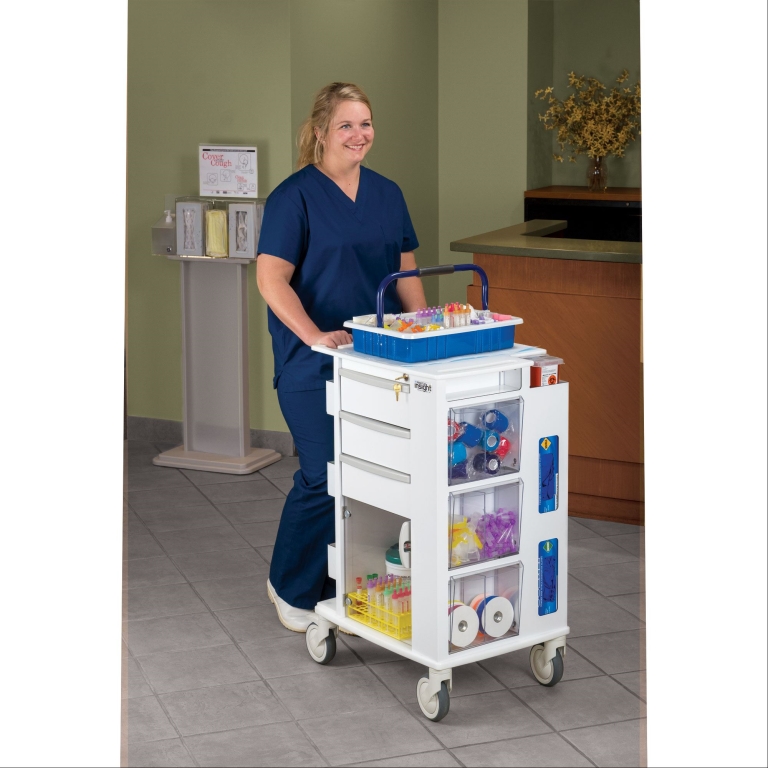
Unlock Your Future: The Essential Guide to Becoming a Certified Medical Assistant
If you’re considering a career in healthcare but are unsure where to start, becoming a Certified Medical Assistant (CMA) could be your key to unlocking a fulfilling future. This guide will provide you with all the information you need about the steps, benefits, and often-overlooked aspects of this rewarding profession.
What is a certified Medical Assistant?
A Certified Medical Assistant is a trained professional who supports healthcare providers by performing various clinical and administrative tasks. These tasks can vary widely depending on the healthcare setting and can include:
- Preparing patients for examinations
- Assisting during medical procedures
- Charting patient information
- Managing appointments and medical records
- Administering medications and injections
Why Become a Certified Medical Assistant?
There are numerous benefits to becoming a CMA, including:
- Job Security: The demand for medical assistants is growing rapidly, making it a stable career choice.
- Variety of Work Settings: CMAs can work in various environments, from hospitals to private practices and clinics.
- Positive Impact: You will play an integral role in patient care and experience the satisfaction of helping others.
- Career Advancement: As a certified professional,you may have access to further education and promotions within healthcare.
Steps to become a Certified Medical Assistant
1. Educational Requirements
To become a CMA, you typically need to complete a postsecondary education program that includes coursework and hands-on training.Options include:
- Diploma Programs: Shorter courses that can be completed in about a year.
- Associate Degree Programs: Two-year programs that provide comprehensive training.
2. Clinical Training
Hands-on experience is crucial.Most programs include a clinical internship to prepare you for real-world scenarios.
3. Certification Exam
After completing your education and training, the next step is to pass a certification exam, which typically covers:
- Medical knowledge and procedures
- Administrative tasks and legal guidelines
- Patient care protocols
4. State Requirements
Check your state’s specific requirements for practicing as a CMA. Some states may have additional licensing or certification needs.
Case Studies: Real-Life Experiences of Certified Medical Assistants
| Name | Work Setting | years of Experience | Advice for Aspiring CMAs |
|---|---|---|---|
| Emily Johnson | Pediatric Clinic | 4 | “never stop learning! Continual training opens many doors.” |
| Michael Lee | Urgent Care | 2 | “Be adaptable; every day is different in healthcare.” |
| Sara Thompson | Family Medicine | 6 | “Establish great interaction with your patients.” |
Practical Tips for Aspiring CMAs
To excel as a Certified Medical Assistant, keep these tips in mind:
- Develop Strong Communication Skills: You’ll work with diverse populations and medical teams.
- Stay Organized: Managing paperwork and schedules effectively is crucial.
- Seek Networking Opportunities: Join professional organizations for support and growth.
First-Hand Experience: A Day in the life of a CMA
As a CMA, my day starts with preparing the clinic for patients. I check in patients, review their medical histories, and assist the doctor during examinations. In between patient appointments, I manage phone calls and paperwork. Every day brings new challenges and learning opportunities, which keep my job exciting!
Conclusion
Becoming a Certified Medical Assistant is a rewarding journey filled with ample opportunities for personal and professional growth. By following the outlined steps and embracing the associated responsibilities, you can make a meaningful impact in the healthcare community. Whether entering the workforce or advancing your career, this certification could very well unlock your future in the medical field. Start your journey today!



