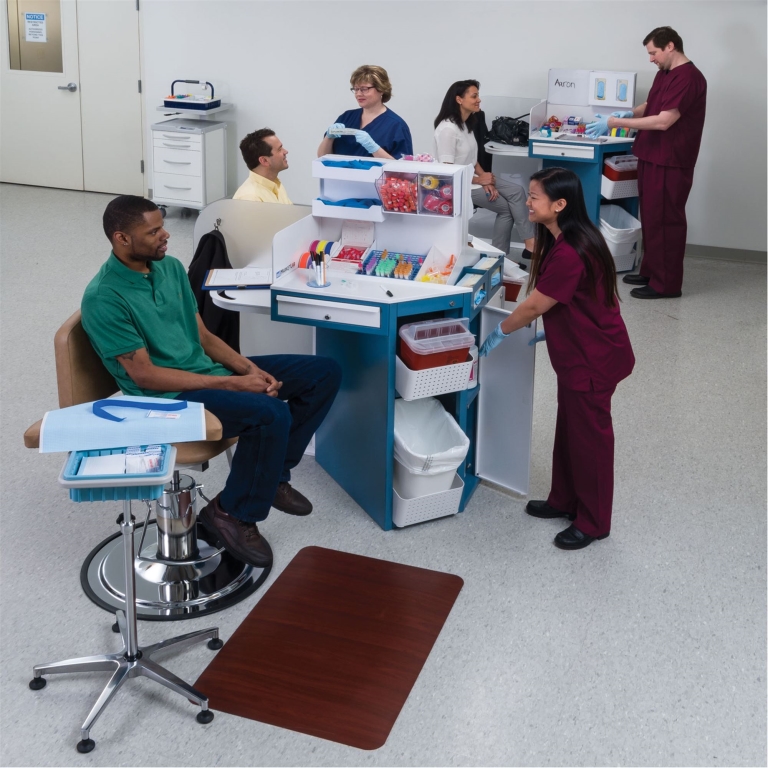
Title: Medical Office Assistant Description: Roles, Responsibilities, and Requirements
Meta Title: Explore the Roles and Responsibilities of a Medical Office Assistant
Meta Description: Discover the essential duties and qualifications needed to excel as a medical office assistant. Read on to learn more about this rewarding career.
Introduction:
Medical office assistants play a crucial role in the healthcare industry by supporting physicians and ensuring the smooth operation of medical facilities. From administrative tasks to patient care, medical office assistants are essential in providing quality healthcare services. In this article, we will explore the roles, responsibilities, and requirements of a medical office assistant to give you an in-depth understanding of this rewarding career path.
Roles and Responsibilities of a Medical Office Assistant:
1. Administrative Duties:
– Greet patients and visitors with a welcoming attitude.
– Answer phone calls, schedule appointments, and manage patient records.
– Process insurance forms and handle billing and coding tasks.
– Maintain a clean and organized work environment.
2. Clinical Support:
– Assist healthcare providers with patient examinations and treatments.
– Take and record vital signs, prepare patients for medical procedures.
– Perform basic laboratory tests and medical procedures under supervision.
– Educate patients on medication instructions and post-treatment care.
3. Communication and Customer Service:
– Communicate effectively with patients, families, and healthcare team members.
– Provide compassionate care and support to patients during challenging times.
– Handle patient inquiries, complaints, and concerns with professionalism and empathy.
– Act as a liaison between patients and healthcare providers.
4. Technology and Software Proficiency:
– Utilize electronic health record (EHR) systems and medical billing software.
– Maintain confidentiality and security of patient information.
– Update and maintain databases, spreadsheets, and other office documents.
– Stay up-to-date on industry trends and advancements in healthcare technology.
Requirements to Become a Medical Office Assistant:
1. Education and Training:
– High school diploma or equivalent is typically required.
– Completion of a medical office assistant training program or certification.
– Proficiency in medical terminology, anatomy, and healthcare ethics.
– Strong communication, organizational, and multitasking skills.
2. Certification and Licensing:
– Optional certifications such as Certified Medical Administrative Assistant (CMAA) or Certified Clinical Medical Assistant (CCMA) can enhance job prospects.
– Some states may require licensing or registration for medical office assistants working in certain healthcare settings.
Benefits and Practical Tips for Medical Office Assistants:
– Job stability and growth opportunities in the healthcare industry.
- Competitive salaries and benefits packages.
– Develop transferable skills in communication, organization, and customer service.
– Stay current on industry trends and advancements through continuing education programs.
Conclusion:
Medical office assistants are essential members of the healthcare team, providing vital support to both patients and healthcare providers. By mastering administrative tasks, clinical support, and communication skills, medical office assistants contribute to the efficient and compassionate delivery of healthcare services. If you are considering a career as a medical office assistant, remember to focus on continuous learning, professionalism, and dedication to patient-centered care to excel in this rewarding profession.



