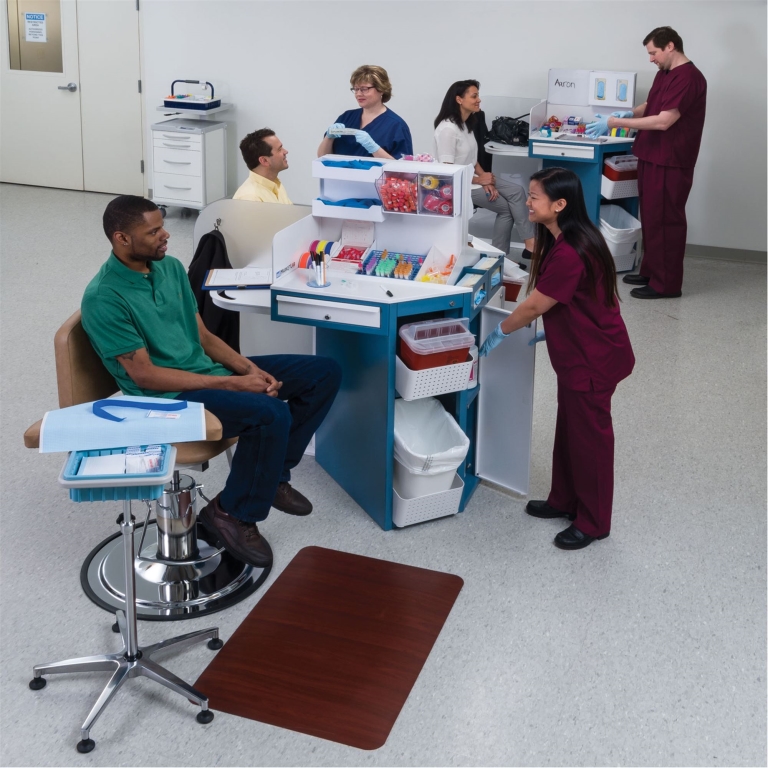
essential Guide to on-Teh-job Training for Medical Assistants: Boost Your Skills & Career potential
Becoming a skilled and confident medical assistant requires more than just theoretical knowledge; it demands hands-on experience that sharpens your practical skills and prepares you for the dynamic healthcare habitat. On-the-job training (OJT) stands as a vital component in this journey, offering real-world exposure, mentorship, and the prospect to learn directly from experienced professionals. Whether you’re a new medical assistant or looking to enhance your competencies, understanding the essentials of effective on-the-job training can considerably influence your career growth and job prospects.
What Is On-The-Job Training for Medical Assistants?
On-the-job training (OJT) refers to the practical instruction provided at your workplace, allowing medical assistants to acquire and refine their skills while performing real duties. Unlike classroom learning, OJT focuses on experiential learning, enabling you to navigate clinical procedures, administrative tasks, and patient interactions in a supervised setting.
Importance of On-The-Job Training in Medical Assisting
- Hands-On Skill Development: Gain real-world experience in procedures like taking vital signs, drawing blood, and assisting with examinations.
- Enhanced Confidence: Build self-assurance by practicing techniques under supervision before working independently.
- understanding Workplace Dynamics: Learn how healthcare teams collaborate and communicate effectively.
- Increased Employability: Demonstrate your practical skills and adaptability to potential employers.
Key Components of Effective On-The-Job Training for Medical Assistants
Effective OJT programs are structured,goal-oriented,and tailored to the trainee’s learning needs. Here are the core components:
1.Clear Training Objectives
Define specific skills and competencies to be achieved, such as phlebotomy, medical coding, or patient interaction.
2. Experienced mentors and Supervisors
Assign seasoned healthcare professionals to guide, support, and evaluate your progress.
3. Hands-On Practice and Simulations
Engage in practical sessions, role-playing, and simulated scenarios to reinforce learning.
4. Regular Feedback and Evaluation
Receive constructive feedback to identify strengths, address weaknesses, and track your improvement over time.
Benefits of On-The-job Training for medical Assistants
Investing in comprehensive OJT can bring numerous advantages, including:
- accelerated Learning Curve: faster acquisition of clinical and administrative skills.
- Better Job Preparedness: Feel more confident and competent in real healthcare settings.
- Career Advancement Opportunities: Stand out to employers with demonstrated practical experience.
- Networking and Professional Growth: build relationships with healthcare professionals and mentors.
Practical Tips for maximizing Your On-the-Job Training Experience
- Be proactive: Seek opportunities to observe and participate in various tasks.
- ask questions: Clarify procedures and understanding to deepen your knowledge.
- maintain a positive attitude: Show eagerness and professionalism during training.
- Keep a journal: document your experiences, skills learned, and areas for improvement.
- Network within your workplace: Build rapport with colleagues and supervisors for future mentorship and references.
case Study: Success Story of an Aspiring Medical Assistant
| Aspect | Details |
|---|---|
| Background | Jane was a recent medical assisting graduate eager to gain hands-on experience. |
| Training Approach | Participated in a structured OJT program focusing on clinical skills and patient interaction. |
| Outcome | Jane became certified, secured a full-time position, and advanced her career within a year. |
First-Hand Experience: What to Expect During Your On-The-Job Training
Hands-on training can vary depending on the healthcare setting, but generally, you can expect:
- Shadowing seasoned professionals during patient assessments
- participating in administrative tasks like scheduling and records management
- Performing clinical skills such as injections or specimen collection under supervision
- Receiving periodic evaluations and feedback to improve your competencies
Strategies for Successful On-The-Job training
- Set personal goals: Identify specific skills you want to master during your training period.
- Stay organized: Keep track of your progress and areas needing improvement.
- Embrace continued learning: Take initiative to learn beyond assigned tasks and attend additional workshops if available.
- Show professionalism: be punctual, respectful, and eager to learn.
- leverage mentorship opportunities: Build strong relationships with mentors for ongoing guidance.
Conclusion
On-the-job training is an indispensable part of becoming a proficient and confident medical assistant. It bridges the gap between classroom education and real-world healthcare practices, empowering you with the skills necessary to excel and advance in your career. by engaging fully in your OJT, seeking feedback, and continuously developing your competencies, you’ll bolster your employability and lay a solid foundation for long-term success in the healthcare industry. Embrace this practical learning journey, and watch your career as a medical assistant thrive.



