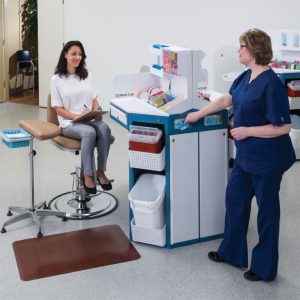
Become a Medical Assisting Technician: Your Path too a Rewarding Healthcare Career
If you’re drawn to healthcare but want a hands-on role with variety, becoming a medical assisting technician can be a smart, fulfilling choice. This guide walks you through what the job entails, how to train, certification options, real-world tips, and a clear path to launch your career.
Introduction: Why choose a career as a Medical Assisting Technician
A medical assisting technician blends clinical support with essential administrative duties in clinics, physician offices, hospitals, urgent care centers, and specialty practices. The role offers:
- Hands-on patient care activities like taking vitals, collecting samples, and preparing exam rooms.
- Administrative responsibilities such as scheduling, medical records management, and charge entry.
- Opportunities for rapid entry into the workforce, frequently enough with flexible program options.
- A strong pathway into broader healthcare careers, including advanced positions in allied health.
This combination of clinical and administrative exposure makes medical assisting technicians highly adaptable, employable, and well-suited for patients, teamwork, and fast-paced environments.
What is a Medical Assisting Technician?
A medical assisting technician is a trained professional who supports both the clinical and administrative sides of a healthcare practice. duties may include:
- Clinical duties: taking patient histories,measuring vital signs,assisting with examinations,performing basic laboratory tests,collecting specimens,venipuncture (blood draws),and preparing patients for procedures.
- Administrative duties: scheduling appointments, updating electronic health records (EHR), processing insurance forms and claims, handling patient communications, and maintaining inventory and sterile supplies.
- Collaborative care: working under the supervision of physicians,nurse practitioners,or physician assistants to support timely patient care.
The role is designed to be versatile. Institutions value staff who can seamlessly switch between patient-facing clinical tasks and behind-the-scenes administrative workflows.
Education and Training Options
There are several reputable paths to become a medical assisting technician. Your best choice depends on your schedule, budget, and career goals.
Certificate Programs (6-12 months)
Certificate programs are designed for focused, career-ready training. They cover core clinical skills, basic laboratory procedures, and essential administrative tasks. many programs incorporate an externship or clinical practicum to provide real-world experience.
Associate Degree Programs (AA/AS in Medical Assisting)
An associate degree typically takes about two years and includes more thorough coursework, including anatomy and physiology, medical terminology, and in-depth clinical labs. Earning an associate degree can expand opportunities into supervisory roles or be a stepping stone to further study in health professions.
Bachelor-Tocused Pathways (for Career Mobility)
Some students pursue a bachelor’s degree in health administration, healthcare management, or a related field while gaining medical assisting experience. This path can broaden leadership opportunities and qualify you for roles in larger clinics or hospital settings.
Accreditation to Look For
when choosing a program, prioritize accreditation from recognized bodies such as CAAHEP (Commission on Accreditation of Allied Health Education Programs) or ABHES (accrediting Bureau of Health Education Schools). Accreditation helps ensure program quality and eligibility for certification exams.
Certification and Certification Paths
Certification demonstrates your commitment to professional standards and patient safety. Two widely recognized options are:
- CMA (AAMA) Certification – Administered by the American Association of Medical Assistants after completing a program accredited by CAAHEP or ABHES and passing the CMA exam.This credential is often preferred by employers for its broad recognition.
- RMA (AMT) Certification – offered by the American Medical Technologists. It validates clinical and administrative competencies and can be earned after completion of an approved program or by examination with demonstrated skills.
- CCMA/CCE/CPMA Options - Other national certifications exist (e.g., NHA’s CCMA) that some employers accept. Research local job postings to see which certifications are valued in your area.
What to know before you test:
- Most certifications require graduation from an accredited program or documented clinical experience.
- Exam prep is available through study guides, online practice tests, and review courses.
- Continuing education credits are often required to maintain certification.
Typical Duties of a Medical Assisting Technician
The job blends patient care with everyday office tasks. most days include several of the following:
- Measuring vital signs (blood pressure, pulse, temperature) and recording them in the EHR.
- Assisting with examinations, preparing tools and supplies, and sanitizing treatment rooms.
- Collecting specimens (urine, blood) and performing basic in-lab procedures under supervision.
- Phlebotomy or venipuncture in some settings,including sample collection for testing.
- Admin duties: appointment scheduling, patient check-in/out, medical billing, coding, and claims processing.
- Managing medical records, ensuring HIPAA compliance, and safeguarding patient privacy.
- Use of EHR systems to update charts,document visit notes,and order supplies.
In many clinics,your day will involve a mix of patient contact and administrative workflow. Strong interaction skills,meticulous attention to detail,and the ability to multitask are essential traits for success.
Work Settings and Career Outlook
Medical assisting technicians are in demand across many healthcare environments. Typical work settings include:
- Private medical practices and clinics (family practice, dermatology, pediatrics, urgent care).
- Hospitals and hospital outpatient departments.
- Specialty clinics (cardiology, obstetrics, oncology, endocrinology).
- Community health centers and multi-specialty clinics.
Job outlook remains robust due to the need for supportive clinical staff and the growing number of primary care and outpatient services. With experience and additional training or certification, you can advance into roles like lead medical assistant, practice administrator, or pursue further studies in nursing or allied health professions.
practical Tips for Success
- Choose an accredited program. Look for CAAHEP or ABHES accreditation to ensure quality training and better certification opportunities.
- Seek hands-on externships. Practical clinical experience strengthens your resume and boosts confidence in real-world settings.
- Prepare for certification early. Plan your study schedule around the certification exam timelines offered by CMA, RMA, or other governing bodies.
- Develop core soft skills. Excellent communication, empathy, organization, and teamwork are as valuable as clinical knowledge.
- Gain familiarity with EHR systems. Familiarity with common software like Epic, NextGen, or Allscripts can make you more employable.
- Network in your community. Attend local healthcare events, join student chapters, and connect with practicing medical assistants for mentorship.
First-Hand Experience: Case Snapshots
Here are a few concise, real-world snapshots from medical assisting professionals:
- Alex, Certificate Graduate: “The externship opened my eyes to patient communication and the importance of accurate documentation. I landed a job in a busy pediatric clinic within two months.”
- Maria, CMA-Certified: “Certification boosted my earning potential and opened doors to clinic leadership. I now help train new assistants and coordinate patient flow.”
- Jonah,RMA-Certified: ”Balancing clinical work with administrative duties helped me build a versatile skill set. I enjoy the daily variety.”
Program Options at a Glance
Use this speedy reference to compare common paths to becoming a medical assisting technician. the table uses WordPress-friendly classes for easy styling.
| Program Type | Typical Duration | Key Courses | Certification Outcome |
|---|---|---|---|
| Certificate | 6-12 months |
|
Eligibility for CMA/RMA exam after graduation (depending on program) |
| Associate Degree | 2 years |
|
Broad CMA/RMA eligibility; prep for expanded roles |
| Bachelor-Assist Path | 3-4 years (partial overlap possible) |
Healthcare management, leadership, advanced clinical topics, data analysis, health informatics |
Leads to leadership roles, administrative tracks, or further study |
Conclusion: Start Your Rewarding Healthcare Career today
A career as a medical assisting technician offers meaningful patient contact, hands-on clinical work, and essential administrative support that keeps healthcare teams running smoothly.With multiple pathways-from certificates to associate degrees, to optional bachelor’s-level study-you can tailor your education to your life and career goals. By choosing an accredited program, pursuing certification, gaining practical externship experience, and building professional networks, you’ll position yourself for steady employment and opportunities for advancement in a thriving healthcare sector.
If you’re ready to embark on a rewarding healthcare career, explore programs near you, talk to instructors and current students, and map out a plan that aligns with your schedule and budget. Your journey as a medical assisting technician can begin today-and it may lead to a long, fulfilling career helping patients feel seen, heard, and well cared for.